






Whitepaper
Senior living energy usage breakdown: a portfolio guide for Canadian care facility operators
Learn how senior living operators can analyze energy usage across their building portfolio to uncover inefficiencies and manage energy costs.
For most of us, it’s second nature to fill the dishwasher and run a cycle as soon as the dirty dishes start piling up. But did you know that the same load of dishes could cost you up to 50% more, depending on the time of day you run your dishwasher?
If you live in Ontario and you’re on the Time-of-Use (TOU) pricing system, electricity costs more during high-demand hours (like midday) and less when demand is low (like at night).
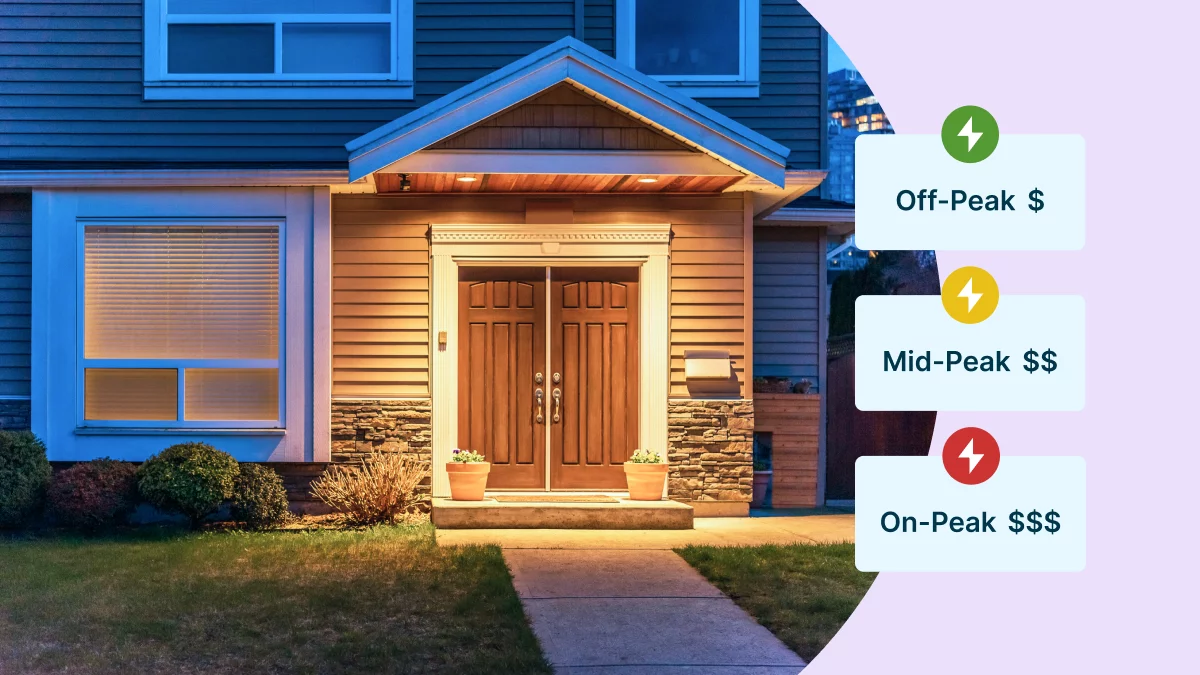
There are three TOU price periods: off-peak, mid-peak, and on-peak. In this article, we’ll explain what each one means, how they shift by season and day, and how you can easily remember the cheapest times to use electricity.
Let’s imagine that you’re running one load of dishes, and your dishwasher is a pretty average 1200-watt model. Modern dishwashers are quite energy-efficient, so a 1-hour load time with a dishwasher like this will only use about 1.2 kilowatt-hours (kWh) of electricity.
Here’s how that same load time translates to cost, given current TOU rates:
| Time period | Rate (¢/kWh) | Cost (CAD) |
|---|---|---|
| Off-peak | 7.6¢ | $0.0912 (≈9.1¢) |
| Mid-peak | 12.2¢ | $0.1464 (≈14.6¢) |
| On-peak | 15.8¢ | $0.1896 (≈19.0¢) |
In other words, running the same load of dishes during the day vs. at night will cost you roughly double. If you run your dishwasher five times per week, which is average in Ontario, this translates to an extra $25.74 every year — money you could have saved by waiting a few hours!
Time-of-Use pricing splits each weekday into three time blocks – each with a different electricity rate: off-peak (cheapest), mid-peak (moderate), and on-peak (most expensive).
When households and businesses use less electricity, typically during the evenings. There is less congestion on the electricity grid, which means electricity is more affordable during this time.
Mid-peak hours fall between off-peak and on-peak periods, when electricity demand is moderate. These hours change between summer and winter.
This is when electricity demand is at its highest — typically during weekday mornings and evenings when homes and businesses are using the most power for heating, lighting, and appliances.
Because electricity demand shifts in winter and summer, TOU hours for mid-peak and on-peak adjust seasonally. Off-peak hours stay the same all year round.
Weekends and holidays are always the cheapest time to use electricity. Why? Offices and commercial buildings – major energy users – are mostly closed, easing strain on the grid and lowering costs.
This is why it’s best to save your laundry and other energy-heavy tasks for the weekend.
Here are the statutory holidays in Ontario that count as off-peak:
If a holiday falls on a weekend, off-peak rates apply on the following weekday. For example, if New Year’s Day lands on a Saturday, you’ll still get off-peak rates on Monday.
You can always check the Ontario Energy Board website for the most up-to-date holiday schedule.
Here’s a simple rule to keep TOU hours top of mind:
Evenings, weekends, and holidays = cheapest electricity
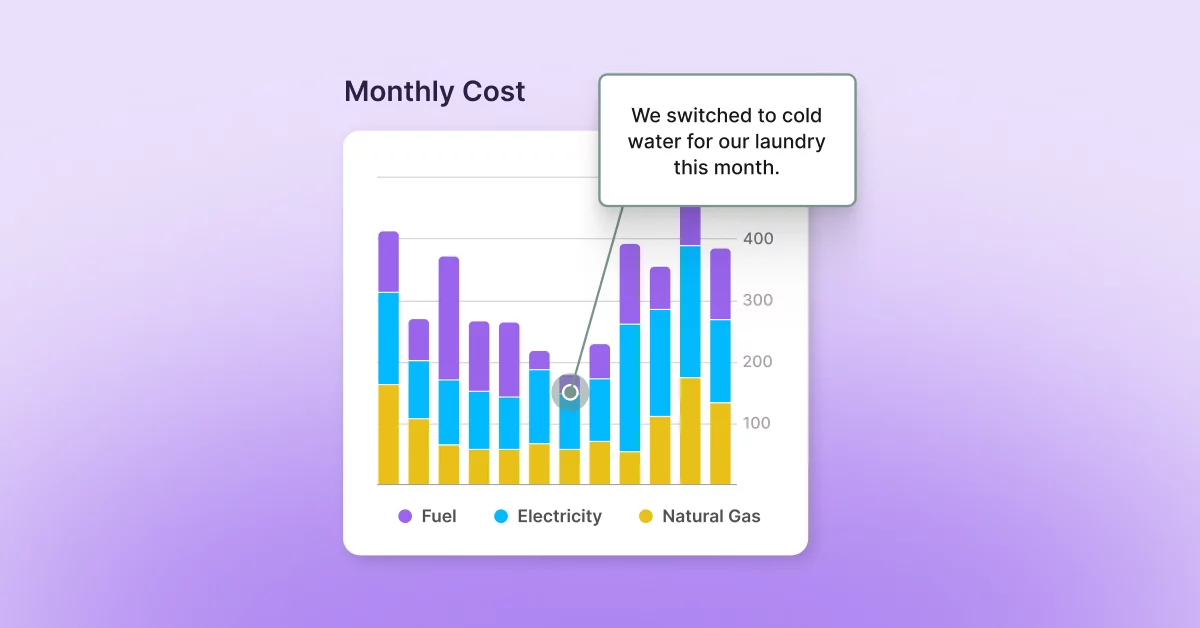
Many people try to save energy by upgrading to efficient appliances, using smart tech, or shifting to off-peak hours. But without clear feedback, it’s hard to know what’s actually working. Most energy data is buried in hard-to-read graphs or scattered across bills and dashboards.
Jotson makes it easy to view your electricity and natural gas usage over time by securely importing your utility data through Ontario’s Green Button program. You can clearly see the impact of your habits, spot what’s driving up your bill, and take action.
Download the Jotson app for free and take the guesswork out of saving energy.

Dark Apps